

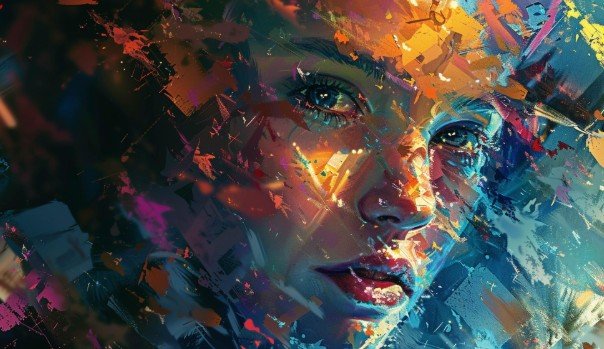
I remember feeling overwhelmed when I first looked at digital art. There were too many tools, tutorials, brushes, apps, and styles fighting for attention. That is why choosing the best digital art styles to learn matters so much. The right style gives you direction, helps you practice with purpose, and makes the learning process feel less confusing.
Digital art is not only about drawing well. It is about finding a visual language that fits your goals. Some styles are perfect for beginners, some are great for social media, and some can lead to serious creative careers in illustration, animation, games, branding, and online content.
What Makes A Digital Art Style Worth Learning?
A good beginner style should be easy to practice, flexible, and useful across different platforms. It should help you understand shape, color, lighting, composition, and storytelling without making you feel stuck from day one.
The best styles also give you visible progress quickly. When you can finish small artworks, you stay motivated. That is why styles like cartoon art, flat illustration, pixel art images, and vector art are strong starting points before moving into complex digital painting or concept art.
Cartoon Art Style
Cartoon art is one of the easiest ways to enter digital drawing because it does not demand perfect realism. You can exaggerate faces, simplify bodies, and create expressive characters with basic shapes.
This style is great for profile pictures, stickers, comics, YouTube thumbnails, children’s content, and social posts. Beginners can start by drawing simple heads, eyes, hands, poses, and emotions. Once you understand expression and gesture, your characters start feeling alive.
Flat Illustration
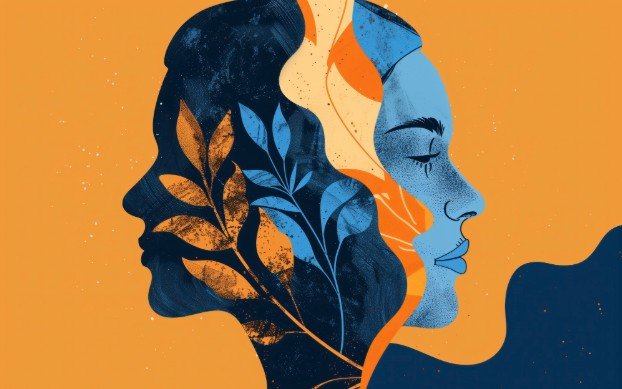
Flat illustration uses clean shapes, simple colors, and minimal shading. You often see it in websites, apps, posters, explainer graphics, and brand visuals.
This style is useful because it teaches design thinking. You learn balance, spacing, contrast, and color harmony. It is also beginner-friendly because you do not need advanced anatomy or lighting skills to create polished results. Tools like Procreate, Illustrator, Canva, and Affinity Designer can all work well for this style.
Pixel Art
Pixel art is simple to start but surprisingly deep. It uses small blocks of color to create characters, objects, icons, and game scenes.
This style is perfect for beginners who like retro games, animation, and small creative projects. Since the canvas is limited, you learn how to make strong decisions with fewer details. Pixel art teaches clarity, shape control, color choice, and patience.
Anime Art Style
Anime art is popular because it feels emotional, expressive, and recognizable. It usually includes large eyes, stylized hair, clean line art, dynamic poses, and dramatic facial expressions.
This style is useful for character design, comics, fan art, prints, avatars, and social media growth. Beginners should start with simple faces, eyes, hair sections, and body proportions before attempting full action poses. The biggest mistake is copying without understanding structure, so always practice basic anatomy alongside style studies.
Digital Painting
Digital painting is closer to traditional painting but done with digital brushes. It focuses on light, shadow, texture, color blending, and mood.
This style is ideal if you want to create portraits, fantasy scenes, landscapes, book covers, or realistic illustrations. It can feel harder at first, but you can begin with simple still-life studies, color blocks, and grayscale lighting exercises. You do not need fancy brushes early on. A basic round brush is enough to build real skill.
Vector Art
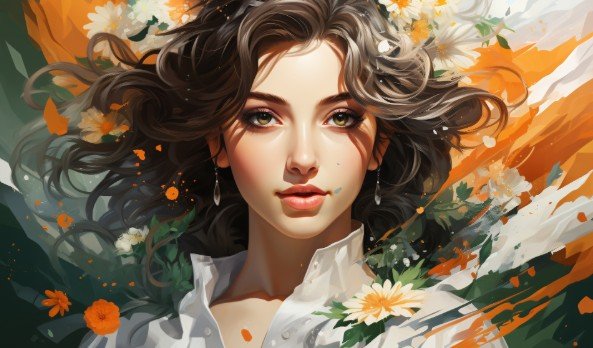
Vector art uses clean lines and scalable shapes. Unlike regular raster images, vector designs can be resized without losing quality.
This style is useful for logos, icons, stickers, posters, infographics, and brand graphics. It is one of the most practical styles for creators who want to mix art with design. Start with simple icons, badges, flat characters, and geometric posters before moving into detailed vector portraits.
Character Design
Character design combines personality, shape language, clothing, expression, and storytelling. It is not just about drawing a person. It is about making someone memorable.
This style is useful for animation, comics, games, children’s books, and online branding. To practice, create characters based on simple prompts like a shy wizard, a futuristic athlete, or a tired coffee shop owner. Focus on silhouette first, then costume, color, and facial expression.
Concept Art
Concept art is used to plan characters, environments, props, vehicles, and worlds before they are fully produced. It is common in games, films, animation, and entertainment design.
This style is more advanced because it needs creativity, speed, perspective, lighting, and storytelling. Beginners should not rush into polished concept art immediately. Start with small environment thumbnails, prop sketches, and mood studies. Once your fundamentals improve, concept art becomes much easier to approach.
3D Digital Art
3D digital art uses software to create models, scenes, characters, objects, and animations. It is popular in games, product design, animation, advertising, and visual effects.
This style is different from drawing because you work with forms in space. Beginners can start with simple objects like cups, rooms, furniture, and low-poly characters. It is a great option if you enjoy technical creativity and want your art to feel interactive or cinematic.
Photo Manipulation
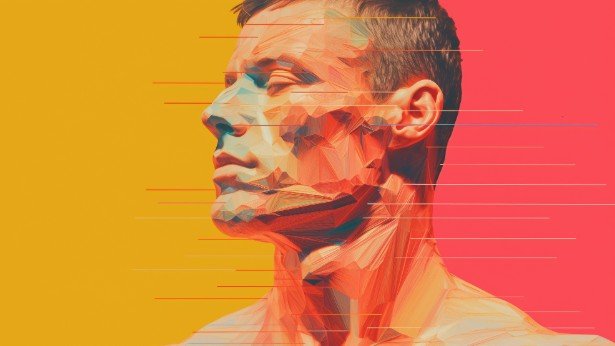
Photo manipulation blends images, textures, lighting, and effects to create surreal or polished visuals. It is often used in posters, album covers, ads, thumbnails, and fantasy edits, and it can be an important part of a digital art workflow for creators who want to build more imaginative and polished compositions.
This style is good for people who enjoy storytelling but do not want to draw everything from scratch. You learn masking, color grading, blending, shadows, and composition. The key is making all elements feel like they belong in the same scene.
Which Style Should You Learn First?
If you are a complete beginner, start with cartoon art or flat illustration. Both help you finish projects quickly and build confidence. If you love games, try pixel art. If you love characters, try anime or character design. If you want a career in entertainment, slowly move toward digital painting, concept art, and 3D.
The smartest path is not learning every style at once. Choose one style for 30 days, complete small projects, study artists you admire, and track what improves. Once you feel comfortable, add another style that supports your goals.
Beginner Practice Plan
Start with 20 minutes of daily sketching. Practice lines, circles, boxes, faces, hands, and simple objects. Then spend another 20 minutes studying one artwork you like. Notice the colors, shapes, shadows, and composition.
Create one finished piece every week, even if it is simple. Finished work teaches more than endless unfinished sketches. Save your old art so you can compare progress after a month. Growth becomes easier to see when you stop deleting everything.
Frequently Asked Questions
1. What are the best digital art styles to learn for beginners?
Cartoon art, flat illustration, pixel art, and vector art are beginner-friendly because they use simple shapes, clear colors, and manageable practice steps.
2. Is anime art hard to learn?
Anime art can be easy to start but harder to master because good poses, expressions, anatomy, and clean line art require consistent practice.
3. Can I learn digital art without a drawing tablet?
Yes, you can start with a phone, mouse, or basic tablet, but a drawing tablet makes sketching, pressure control, and brushwork much easier.
4. Which digital art style is best for making money?
Vector art, character design, digital painting, concept art, and 3D art can all be profitable when matched with branding, games, publishing, social content, or freelance work.
Final Thoughts
When I look at digital art now, I no longer see it as one giant skill I must master overnight. I see it as a collection of styles, each with its own purpose and personality. The best digital art styles to learn are the ones that help you stay excited, practice consistently, and create work you actually want to finish.
Start simple, stay curious, and give yourself permission to improve slowly. Your first style does not have to be your forever style. It only has to help you begin.