

Every brand reaches a point where things that once felt fresh start feeling a little behind. Maybe the logo still represents the business, but the design feels heavy. Maybe the website works, but the experience feels outdated compared to what customers expect today. These small details quietly influence how people see a company.
Learning how to refresh an outdated brand is not about removing everything and rebuilding from zero. Many successful updates come from improving what already exists. A thoughtful refresh protects the trust, memories, and recognition people associate with a brand while making it feel more aligned with today’s audience.
What Does a Brand Refresh Actually Mean?

A brand refresh is a strategic update to your existing identity rather than a complete transformation. It focuses on improving areas like visuals, messaging, customer experience, and communication while keeping the foundation that makes the brand recognizable.
Think of it as renovating a familiar space instead of moving somewhere completely different. The structure remains, but the details become more functional and appealing.
A refresh usually involves updating design elements, refining your voice, improving digital platforms, and making sure your overall identity reflects where your business stands today. The goal is not to erase history but to create a modern brand identity that still feels authentic.
Signs Your Brand Might Be Starting to Feel Outdated
Brands rarely become outdated overnight. The changes usually happen slowly. A website design that looked professional years ago may no longer match current user expectations. A logo that once stood out may now feel complicated or difficult to use across digital platforms.
Common signs include inconsistent visuals, unclear messaging, outdated photography, confusing website navigation, or a tone of voice that no longer connects with customers.
Customer perception is another important signal. Reviews, comments, and conversations can reveal how people describe your business. If your audience views your brand differently from how you want to be recognized, it may be time for a brand refresh strategy.
Start With a Complete Brand Audit
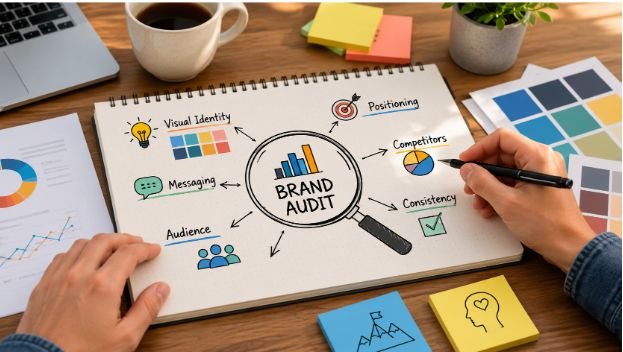
Before making design changes, understand what deserves to stay and what needs improvement. A brand audit helps separate valuable brand equity from elements that are holding you back.
Review your logo, colors, typography, website, social media presence, and marketing materials. Look for patterns. Are your visuals consistent? Does your messaging explain your value clearly? Does your customer experience match your brand promise?
A useful audit also includes feedback from customers and employees. People who interact with your brand regularly can often identify issues that internal teams overlook.
The strongest updates usually come from improving weaknesses while protecting the qualities customers already trust.
Update Your Visual Identity Without Losing Recognition
A visual identity refresh is often the most noticeable part of the process, but it does not mean replacing everything. Small improvements can create a major difference.
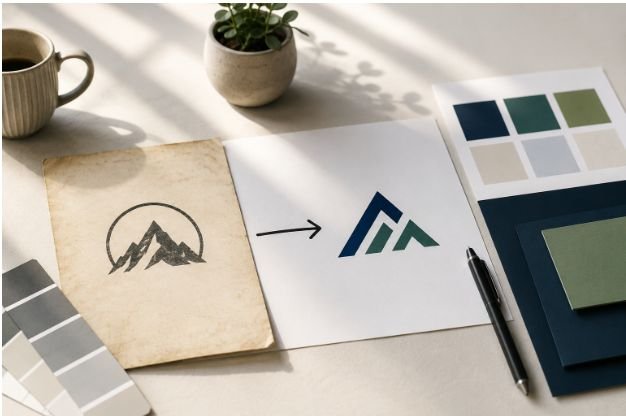
Many brands refine their logo instead of creating a completely new one. Simplifying shapes, improving spacing, or adjusting details can make a design more adaptable for websites, mobile screens, and social platforms.
Typography also plays a major role in visual communication. Older fonts can make a brand appear dated, while cleaner font systems often improve readability and create a more polished appearance.
Refine Colors, Fonts, and Creative Elements
Colors strongly influence brand perception. Instead of abandoning your existing palette, consider improving it. A slight adjustment in shade, contrast, or supporting colors can make your identity feel current while maintaining recognition.
During a visual update, businesses often review resources about how to choose colors for your brand identity because even small color decisions can affect consistency, accessibility, and emotional connection.
Photography and graphics should also reflect your current audience. Replacing generic visuals with more authentic images helps create a stronger and more trustworthy identity.
Refresh Your Brand Messaging and Voice

A brand’s personality is shaped by more than design. The way you communicate affects how people connect with your business.
Older messaging often becomes too complicated because companies add more information over time. A refresh gives you a chance to simplify.
Focus on making your value clear. Customers should quickly understand:
- What your business offers
- Who you help
- Why your solution matters
Your tone should also feel natural. Many brands move away from stiff corporate language and choose a more conversational style that supports stronger audience engagement.
A strong brand messaging update keeps the original purpose but makes communication easier to understand.
Keep Your Brand Consistent After the Refresh
A successful refresh does not end once new designs go live. Maintaining consistency helps the updated identity become familiar.
Create clear brand guidelines that explain your colors, typography, imagery style, messaging rules, and design standards. These guidelines help everyone communicate with the same voice.
Internal alignment is equally important. Employees should understand why changes were made and how the updated identity represents the next stage of the business.
Rolling out updates in a planned way also prevents confusion. A smooth transition allows customers to recognize the improvements without feeling like they are interacting with a completely different brand.
Frequently Asked Questions: How to Refresh an Outdated Brand Without Starting Completely Over
How often should a company refresh its brand?
Most companies review their brand every few years, but there is no fixed timeline. A refresh usually becomes necessary when visuals, messaging, or customer experience no longer represent the current direction of the business.
What is the difference between a brand refresh and a rebrand?
A brand refresh updates existing elements while keeping the main identity recognizable. A rebrand involves bigger changes, such as a new name, mission, audience direction, or complete visual transformation.
Can small businesses refresh their brand without a large budget?
Yes. Small businesses can begin with practical updates like improving website content, refining colors, updating photography, creating consistent designs, and making messaging clearer.
Will changing my brand confuse existing customers?
A thoughtful refresh usually strengthens customer relationships rather than causing confusion. Keeping recognizable elements and explaining meaningful changes helps maintain trust.
Keeping the Original Story While Building a Stronger Identity
The best brand updates respect the past while creating space for growth. A company does not need to remove everything familiar to stay relevant. Small improvements in design, messaging, and customer experience can completely change how people interact with a brand. When every update has a clear purpose, the result feels like a natural evolution instead of a sudden replacement.
Knowing how to refresh an outdated brand comes down to understanding what still works and improving what no longer represents your future. Strong brands continue adapting while keeping the qualities people remember.