
Ever felt completely overwhelmed trying to figure out the tech landscape for your business? Standing at the digital crossroads, figuring out the difference between web design and development can feel like trying to read a blueprint upside down.
Let us break down these two worlds in a simple way so you can confidently make the best choice for your growing online brand.
A web designer focuses on the aesthetics, layout, and user experience (UX) of a website using tools like Figma or Adobe XD. A web developer takes that visual blueprint and writes the underlying code (HTML, CSS, JavaScript) using platforms like Webflow or WordPress to make the site fully functional.
Grasping Difference Between Web Design & Development
Tackling this digital puzzle matters because confusing these two roles will drain your business budget and delay your launch date. Knowing the difference between web design and development ensures you hire the right expert at the right moment.
It saves you from asking a brilliant visual artist to configure a secure SQL server, or expecting a genius programmer to master color psychology.
When you master this basic distinction, you communicate clearly with your production team and set realistic project timelines. This strategic clarity protects your brand investment and helps you launch a highly profitable online home.
The Core Differences
Understanding how a platform goes from an initial idea to a live link requires looking at the specialized roles involved.
Web Designer (The Architect)
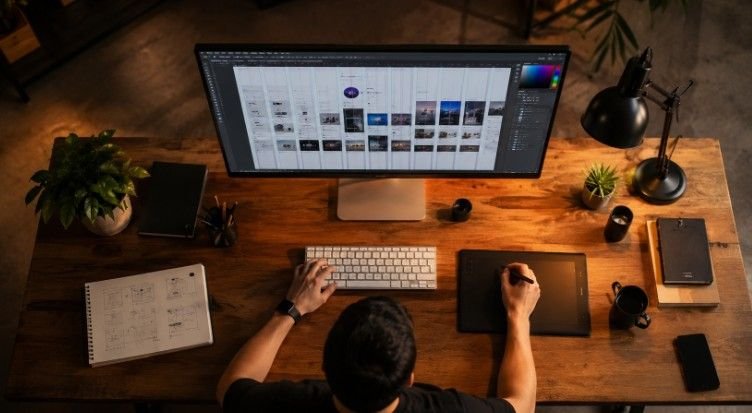
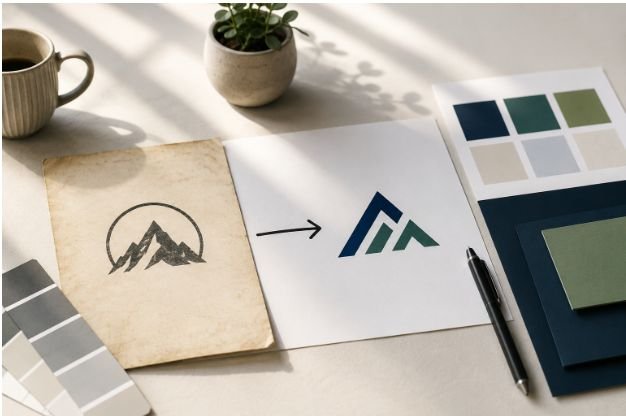
Web designers are responsible for how a website looks and feels. Their goal is to make the site visually appealing, brand-aligned, and intuitive to navigate. They select the typography, organize the structural hierarchy, and establish the visual identity that makes an exceptional first impression.
Their primary focus areas involve User Interface (UI), User Experience (UX), and visual aesthetics. By using advanced wireframing software like Figma, Adobe XD, and Sketch, they sketch interactive prototypes long before any raw code enters the equation.
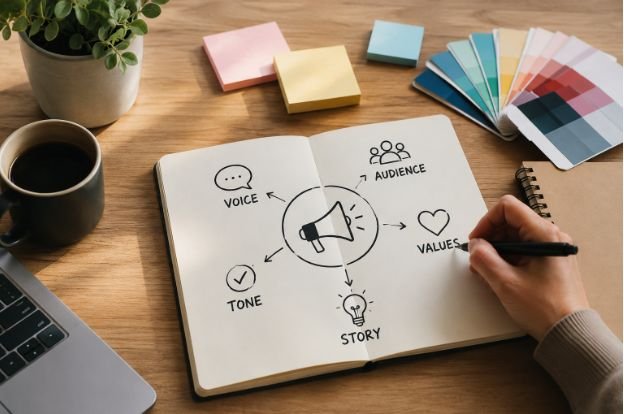
Their focus centers heavily on customer journey mapping, making sure the entire browsing experience feels smooth and natural.
Web Developer (The Builder)

Web developers are the programmers who take the designer’s mockup and build the actual, living website. They handle the heavy technical lifting by writing clean source code to turn flat layouts into interactive digital experiences.
They ensure that when a visitor clicks a stylized button, the platform actually processes the request instantly.
Front-End Developers build the parts of the website the user directly interacts with, including buttons, layouts, and interactive elements, using HTML, CSS, and JavaScript.
Back-End Developers handle the behind-the-scenes magic like server configuration, databases, and application logic. Finally, Full-Stack Developers handle both front-end and back-end responsibilities, managing the complete engineering lifecycle from scratch.
Where the Lines Blur
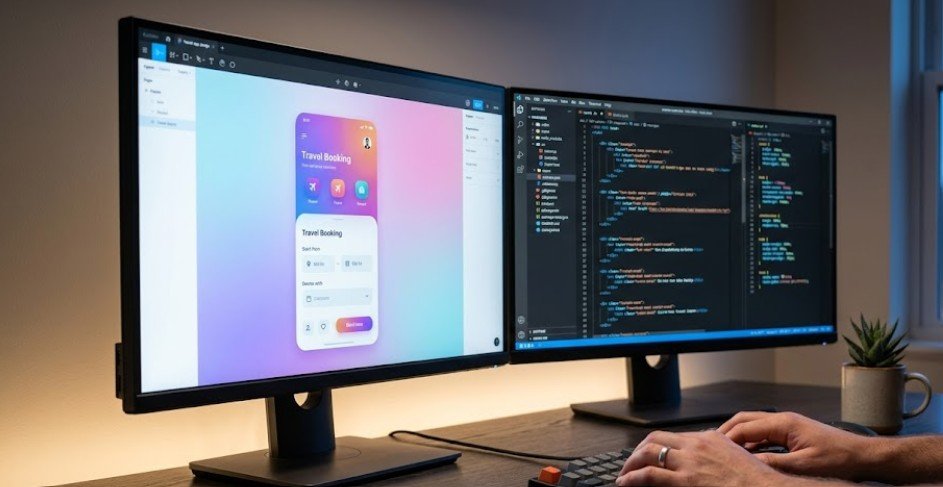
Looking closer at their daily tasks reveals that these two roles require entirely distinct skill sets and working tools.
While they are distinct roles, the rise of powerful, visual site builders (like Webflow, Squarespace, or Framer) has created many hybrid professionals who design and code simultaneously.
These modern creative platforms empower layout artists to generate clean code structures visually without writing manual programming scripts.
This technical evolution bridges the traditional gap between creative artistry and software development. It allows rapid prototyping and faster deployment schedules for small businesses, giving rise to agile web creator roles who handle both the appearance and assembly of a digital storefront.
Digital Strategy: Applying the Difference Between Web Design and Development to Real Life

Applying these concepts directly to your daily workflow can instantly elevate your digital presence and improve user retention.
First, always start your process by creating low-fidelity wireframes on paper to map your layout strategy without getting distracted by color choices.
Focus entirely on user flow by placing your most critical business information directly above the fold where visitors see it without scrolling. Next, strictly limit your brand design palette to three complementary colors to maintain a clean aesthetic and avoid overwhelming the human eye.
When transitioning to development, ensure your structural layouts adapt naturally to smaller screens by utilizing responsive design matrices that look amazing on any modern mobile device.
Maintain absolute file cleanliness by compressing images before upload and keeping your site structure organized so search engine crawlers can index your pages efficiently. By respecting both stages, you ensure your platform is both beautiful to browse and incredibly fast to load.
Frequently Asked Questions
1. Which is better, web development or web design?
Neither option is inherently better than the other because both serve vital, distinct roles in building a successful online presence. Design shapes the user experience, wireframes, and visual aesthetic, while development builds the technical infrastructure, features, and functional programming code.
2. Who earns more, a web developer or a web designer?
Web developers generally earn higher average salaries due to the complex nature of technical programming languages and backend database management. However, elite niche UI/UX designers often command premium rates for strategic brand positioning and conversion optimization.
3. What should I learn first, web design or web development?
Beginners should learn the core fundamentals of web design first to master layout structures, user psychology, color theory, and visual hierarchy. Understanding user interface basics makes transitioning into front-end coding languages much easier later on.
4. Do I need a web designer or developer?
You need a designer if you are building a custom brand identity, layout wireframes, or user interfaces. You need a developer if you require custom database integrations, payment gateways, or complex application logic.
5. How do I explain the difference between web design and development to a client?
You can explain that a designer draws the architectural blueprint and determines the interior style, while the developer acts as the builder who pours the concrete foundation and hooks up the plumbing.
Launching Your Masterpiece by Blending Both Digital Worlds
Finding the right balance between striking visual aesthetics and solid engineering is the ultimate secret to winning online. When you understand the true difference between web design and development, you can make smarter investments for your brand’s growth.
Focus on crafting a beautiful user journey first, then back it up with powerful functionality to create an unstoppable business website.