
I used to think a great portrait needed perfect anatomy, expensive tools, and advanced painting skills. Then I realized that strong portraits usually begin with one clear idea. The right concept can turn a simple face into something emotional, stylish, and memorable. That is why digital portrait art ideas are so helpful when you feel stuck, bored, or unsure what to draw next.
Digital portraits are not just about copying a face. They are about mood, lighting, color, personality, and storytelling. Whether you use Procreate, Photoshop, Clip Studio Paint, or another drawing app, the ideas below can help you practice, build confidence, and create portraits that feel more professional.
Start With Simple Portrait Concepts
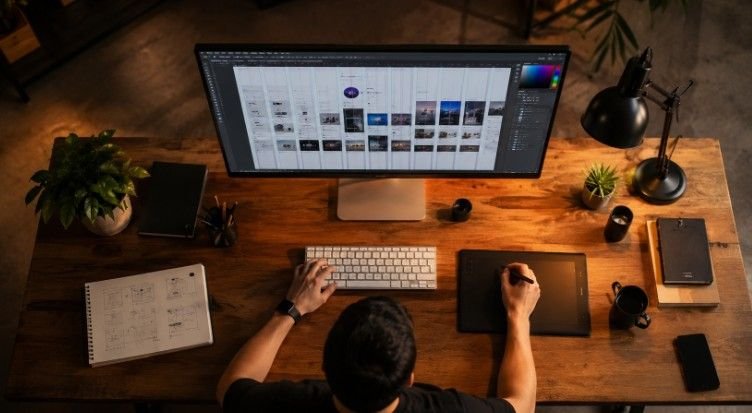
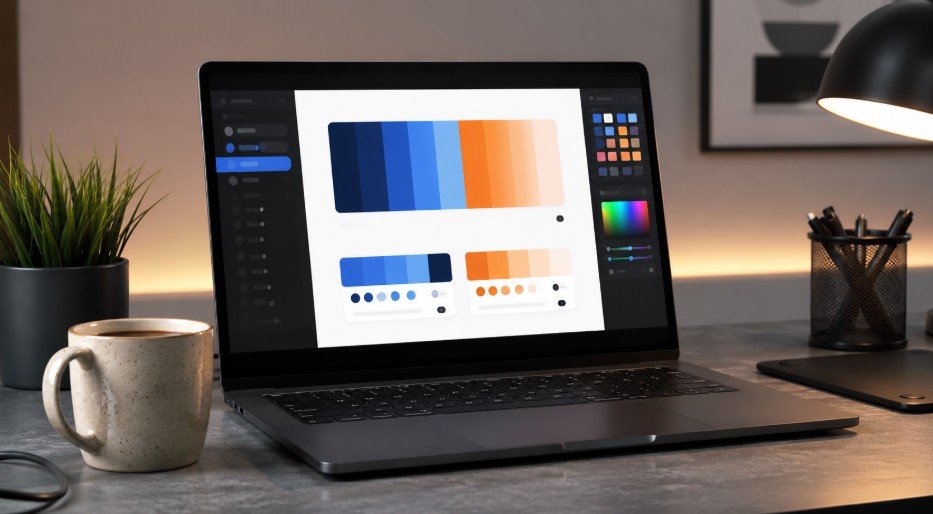
Learning how to create digital art at home can help you build a simple creative setup and turn portrait ideas into finished artwork using tools you already have.
Self Portrait With A Twist
A self portrait is one of the easiest ways to begin because you already understand your own face. Instead of making it plain, add a creative twist. Try drawing yourself as a fantasy character, a movie poster hero, a futuristic artist, or a vintage magazine cover model.
This helps you practice facial structure while also building imagination. You can change the hairstyle, lighting, outfit, background, and expression to create a stronger visual story.
Three Quarter View Portrait
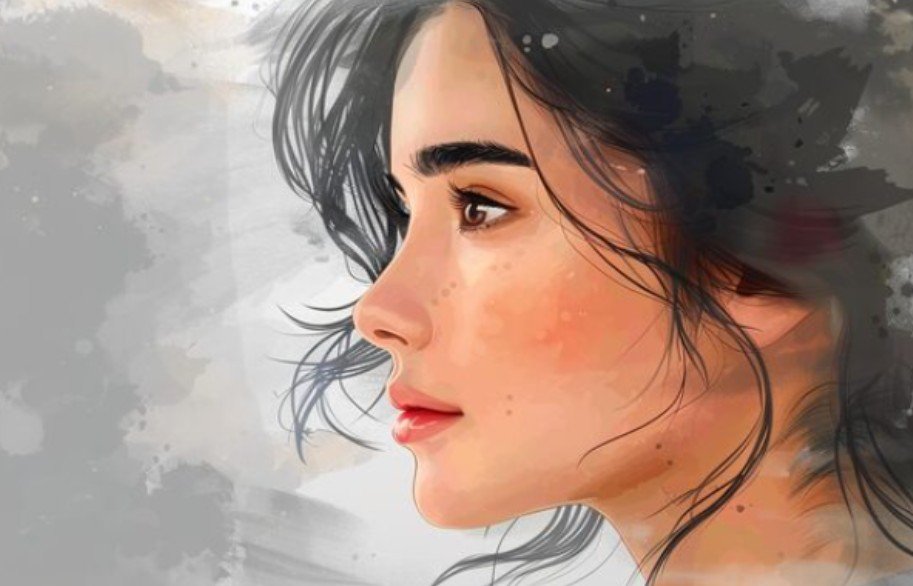
three quarter view portrait is more dynamic than a straight front-facing face. It shows depth, cheek structure, nose shape, and head angle better. This is a great practice idea if you want your portraits to look less flat. It also helps you practice measuring the three body angles so the head, neck, and shoulders feel more natural.
Start with a simple sketch, block in the face shape, then add shadows on one side. Soft lighting works well for beginners, while dramatic side lighting creates a cinematic look.
Expression Study Portraits
Faces become more powerful when they show emotion. Try creating a set of small portraits with different expressions such as joy, fear, anger, sadness, surprise, and confidence.
Expression studies improve your understanding of eyebrows, eyes, mouth shapes, and cheek movement. They also make your characters feel more alive instead of looking stiff or empty.
Creative Digital Portrait Styles To Try
Neon Light Portrait
Neon light photography is bold, modern, and perfect for eye-catching digital artwork. Use bright pinks, blues, purples, or greens against a dark background. Add glow around the face, hair, eyes, or clothing.
This idea works well for cyberpunk themes, music-inspired art, gaming avatars, and social media profile art. The key is contrast. Keep some areas dark so the glowing colors feel stronger.
Fantasy Character Portrait
Fantasy portraits give you freedom to design magical characters. You can create elves, warriors, witches, mermaids, royal figures, or mythical beings. Add jewelry, glowing eyes, unusual skin tones, dramatic hair, or symbolic backgrounds.
This is one of the best digital portrait art ideas for building a portfolio because it shows both portrait skill and character design ability.
Floral Portrait
A floral portrait blends beauty and symbolism. You can add flowers in the hair, around the face, across the clothing, or as part of the background. Each flower can support the mood. Roses can feel romantic, lilies can feel elegant, and wildflowers can feel soft and natural.
Use soft colors for a gentle portrait or bold colors for a fashion-style editorial look.
Gothic Portrait
A gothic portrait works well when you want drama and mystery. Use dark clothing, deep shadows, pale highlights, antique frames, candles, lace, or stormy backgrounds.
This idea helps you practice mood, contrast, and storytelling. Focus on the eyes because gothic portraits often depend on intense emotion.
Skill Building Portrait Ideas
Monochrome Portrait
A monochrome photograph uses one main color or shades of gray. This removes the pressure of choosing many colors and lets you focus on value, shading, and form.
Try a black and white portrait first. Once you feel comfortable, create a blue, red, brown, or purple monochrome version. This is excellent practice for understanding light and shadow.
Limited Color Palette Portrait
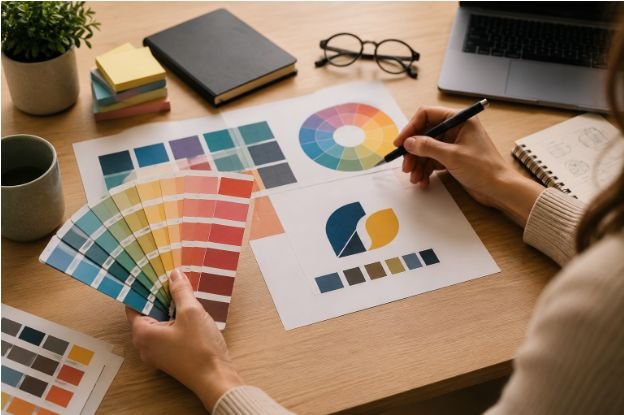
Choose only three to five colors and create a full portrait using them. This teaches color control and helps your artwork look more polished. Many beginners use too many colors, which can make the portrait feel messy.
A limited palette makes your piece look intentional. Try warm skin tones with teal shadows, or soft peach tones with lavender highlights.
Cinematic Lighting Portrait
Cinematic portraits look like scenes from a movie. Use strong lighting from one side, colored rim light, blurred backgrounds, or dramatic shadows across the face.
This idea is especially useful for artists who want their portraits to feel emotional and professional. Think about the story before you paint. Is the person hopeful, lonely, powerful, or lost?
One Hour Portrait Challenge
Set a timer for one hour and create a complete portrait. Do not aim for perfection. Focus on blocking shapes, adding basic colors, defining the face, and finishing with a few highlights.
This challenge builds speed and decision-making. It also teaches you to stop overworking every detail.
Advanced Digital Portrait Ideas
Hyper Realistic Portrait
A hyper realistic portrait requires patience, close observation, and careful blending. Study skin texture, eyelashes, pores, hair strands, and subtle color shifts. Use photo references, but avoid tracing everything without learning the structure.
This idea is best when you want to improve accuracy and detail.
Painterly Portrait
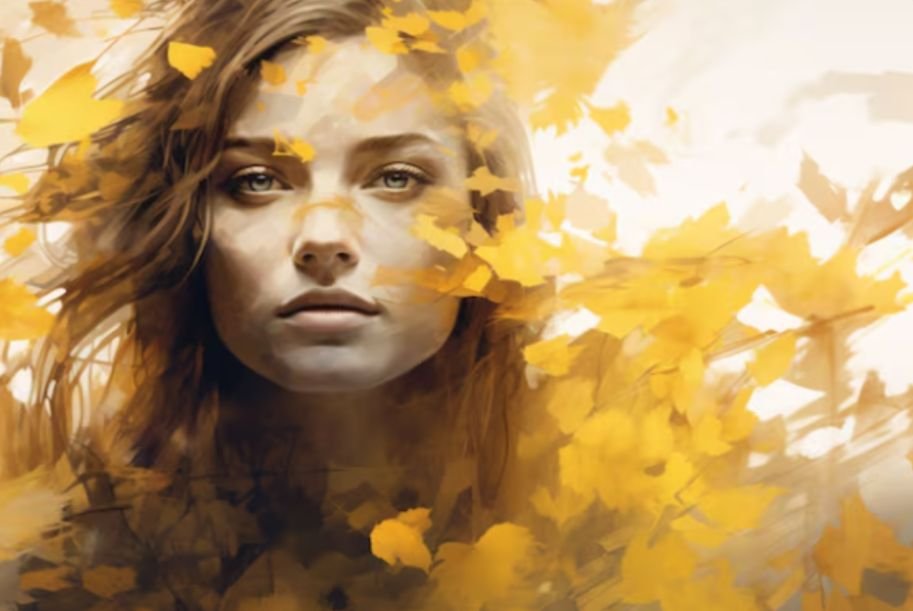
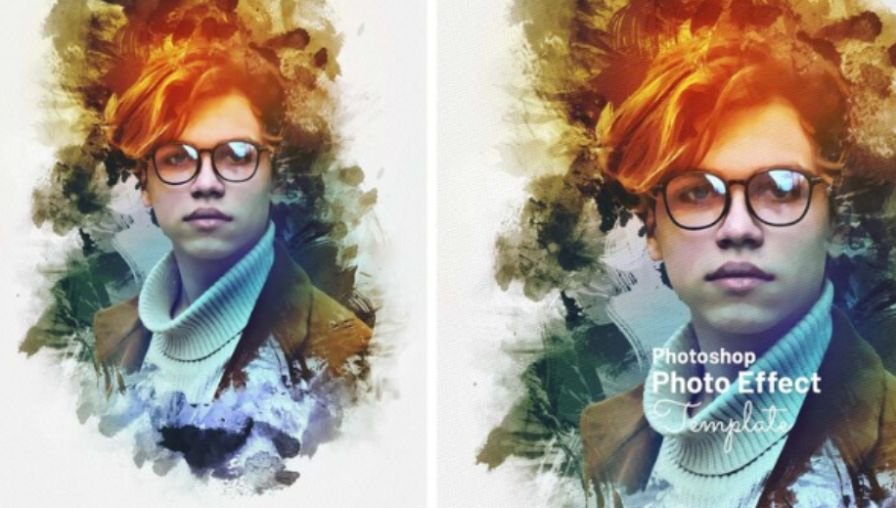
A painterly portrait feels expressive instead of perfectly smooth. Use visible brush strokes, textured edges, and bold color choices. Do not blend every part too much. Let some brush marks stay visible.
This style is great for artists who want a more artistic, handmade feel in digital work.
Editorial Fashion Portrait
Editorial portraits look stylish and magazine-inspired. Focus on makeup, hairstyle, clothing, pose, and background design. Use clean composition and confident lighting.
This type of portrait works well for personal branding, fashion illustration, beauty concepts, and portfolio pieces.
Portrait Composition Tips
A strong portrait needs more than a face. Think about where the head sits on the canvas, how much space surrounds it, and where the viewer’s eye goes first. Keep the eyes as the main focus in most portraits.
Use backgrounds carefully. A simple gradient, soft texture, abstract shape, or blurred environment often works better than a busy background. The face should remain the star of the artwork.
Frequently Asked Questions
1. What are easy digital portrait art ideas for beginners?
Easy ideas include self portraits, front-facing portraits, expression studies, monochrome portraits, and simple three quarter view portraits with soft lighting.
2. How do I make a digital portrait look more creative?
Add a theme, mood, costume, background, color palette, or lighting style. Even a simple face can feel unique with strong creative direction.
3. What software is best for digital portraits?
Popular options include Procreate, Photoshop, Clip Studio Paint, Krita, and Adobe Fresco. The best choice depends on your budget, device, and comfort level.
4. How can I improve my digital portrait skills faster?
Practice facial anatomy, study lighting, use references, repeat expression studies, and finish small portraits regularly instead of chasing one perfect artwork.
Final Thoughts
When I feel creatively blocked, I stop waiting for the perfect idea and start with one small portrait concept. A new color palette, facial expression, lighting setup, or theme can completely change the direction of an artwork. The best part is that portraits grow with you. The more you experiment, the more your personal style begins to show.
Use these ideas as practice prompts, portfolio starters, or creative challenges. With patience and consistency, your portraits can become more expressive, polished, and unforgettable.